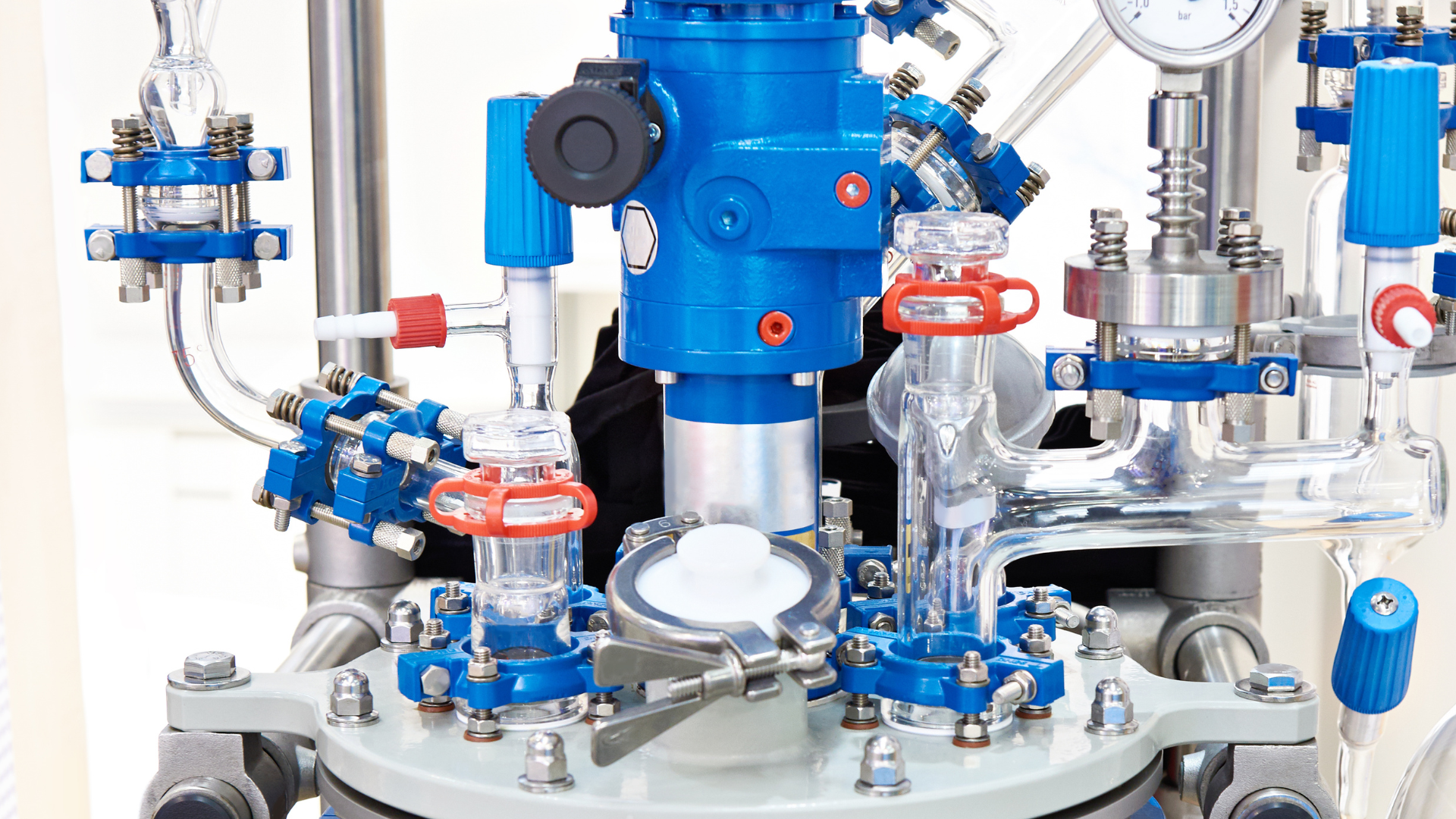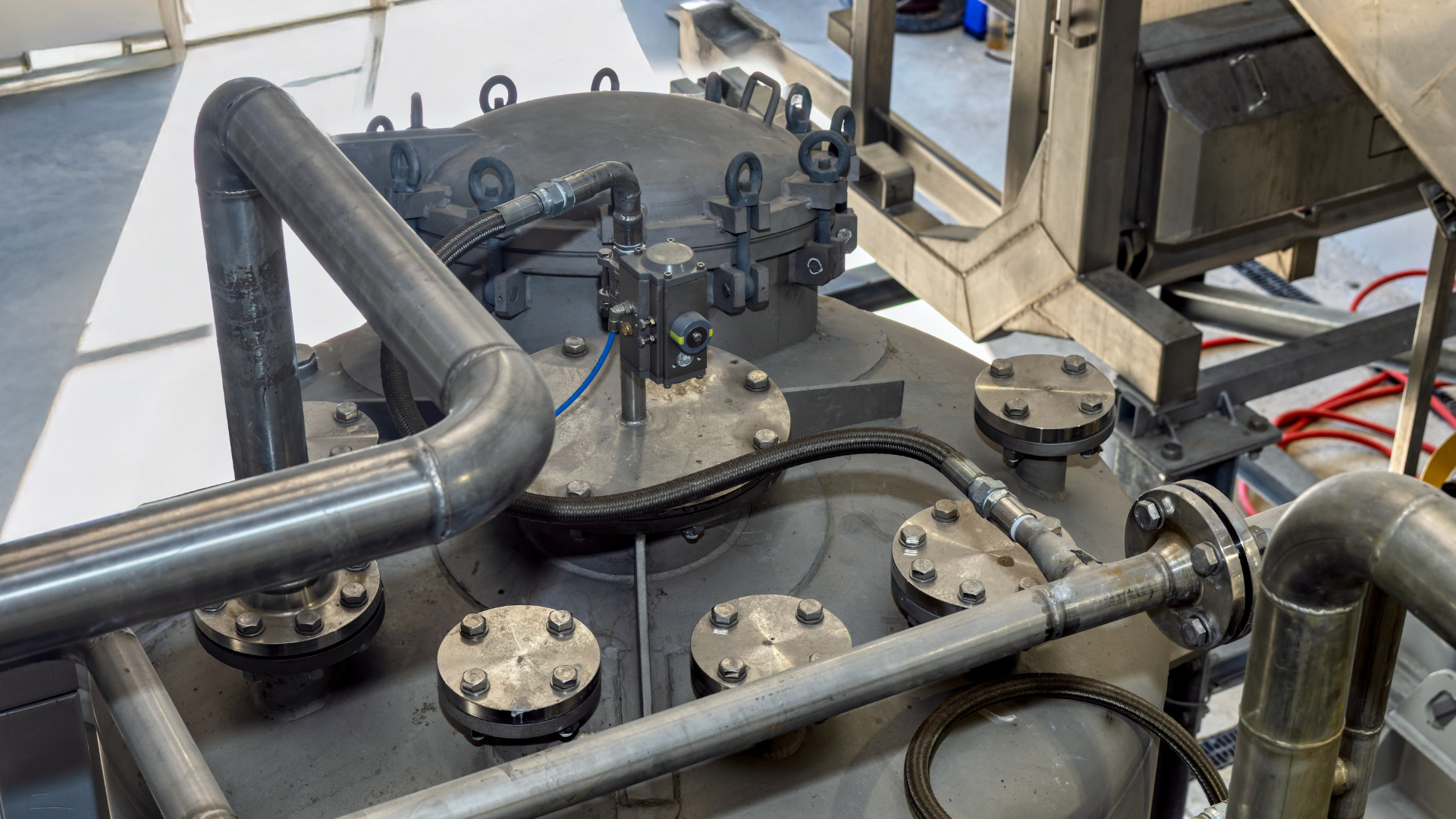

Lithium purification in an inverting filter centrifuge.

Tom Patnaik • April 29, 2026

Share this article

How the IFC changed history!

The life story of the lithium battery in your cell phone or electric vehicle (EV) began thousands of miles away in an immense area of salt flats known as the Salar de Atacama, a 3000 square km area in northern Chile almost 3 km up, where the worlds richest deposit of lithium are found. Once mined, the lithium needs to be purified. There are broadly two grades of purification, one known as the technical grade (TG) of below 99% pure, which is used in many industrial applications, and the other is known as the 'battery grade' (BG) of about 99.5% pure lithium used in batteries. What is seemingly a small increase in purity, going from TG to BG grade is a hugely challenging process! The chemical processing equipment used to produce TG, fail to delivery BG grade lithium. Moreoever, the manner in which the impurities (mainly the chlorides of sodium, pottasium and magnesium, as well as iron) cling to the lithium and the fact that the lithium has a wide particle size distribution which causes them to stratify like layers in a cake when the slurry filters, is extremely difficult to strip away to bring the chloride content down to the double-digit ppm levels required to meet BG standards-- especially at scale (tons per hour)!  This is where the Inverting Filter Centrifuge (IFC) proved to be a game changer. With its ability to exceed 1000 x the force of gravity (or >1000 G's) while tolerating high vibratory forces, its ability to distribute the slurry effectively to produce an even cake, and allow multiple wash modes, while producing a relatively dry cake, the hastelloy IFC came through producing BG lithium with flying colors! So, the next time you charge your phone or your EV, say a silent 'Thank you' to this most innovative of centrifuges, the Inverting Filter Centrifuge!

Recent Posts